
How to Train a Dog to Walk on a Leash
Updated: 5 hours ago

Walking your dog should be one of the easiest parts of owning a dog. But if your dog pulls, jumps, zigzags, or constantly tries to take you somewhere else, even a short walk can become frustrating.
The good news is that leash manners can be taught. The goal is not to make your dog walk perfectly beside you every second. The goal is to teach your dog that walking with you means paying attention, following direction, and keeping the leash under control.
Start in a quiet environment
One of the biggest mistakes owners make is starting leash training somewhere with too many distractions.
Begin inside your home, in the driveway, or in another quiet area. Your dog needs to understand what you are asking before you expect them to perform around other dogs, people, traffic, and new smells.
Keep the first sessions short. A few minutes of focused training can be more useful than a long walk where your dog spends the entire time pulling.
Teach your dog that leash pressure means something
When a dog feels pressure on the leash, pulling harder often becomes their natural response.
Instead, your dog should learn to notice the leash and respond to your direction.
Use calm, consistent handling. When your dog moves with you and the leash stays loose, reward the behavior. Over time, your dog begins to understand that staying connected to you is what gets them where they want to go.
Avoid turning leash training into a constant battle.
Reward the behavior you want
Dogs repeat behaviors that work for them.
If pulling gets your dog closer to another dog, a smell, or something interesting, pulling has just been rewarded.
Instead, reward your dog when they:
Walk beside you
Keep the leash loose
Respond when you change direction
Look toward you
Stop when you ask
Return to you when called
The reward does not always have to be food. Depending on the dog, praise, movement, access to something interesting, or simply continuing the walk can also be useful.
Add distractions slowly
Once your dog understands leash manners in a quiet environment, gradually make the training harder.
Move from your home to the driveway. Then try a quiet street. Eventually, work around people, other dogs, parks, traffic, and other distractions.
Your dog does not automatically understand that a command learned in your living room also applies at a busy park.
That understanding has to be trained.
Be consistent with your expectations
If pulling is unacceptable on Monday but gets your dog where they want to go on Tuesday, your dog receives mixed information.
Everyone handling the dog should use the same basic commands and expectations.
Consistency is especially important with young dogs. They are constantly learning what works and what does not.
What if my dog pulls constantly?
Some dogs pick up leash manners quickly. Others need more structured training.
If your dog has years of pulling behind them, is extremely distracted outside, or becomes difficult to control around people and other dogs, private lessons or a structured board-and-train program may be worth considering.
The important thing is to look at the entire dog rather than treating leash pulling as an isolated problem.
A good training plan should teach the dog what to do, give the owner the handling skills to maintain it, and then practice those skills in increasingly difficult environments.
Final thoughts
A well-trained dog does not need to be dragged around the neighborhood or constantly corrected. Good leash manners come from clear communication, consistent handling, and repetition.
Start somewhere quiet, teach the behavior clearly, reward what you want, and gradually increase distractions.
If you are in the North Houston area and need help with leash manners or general obedience, Freedom K9 offers board and train and private dog training near Spring, Texas.
Author
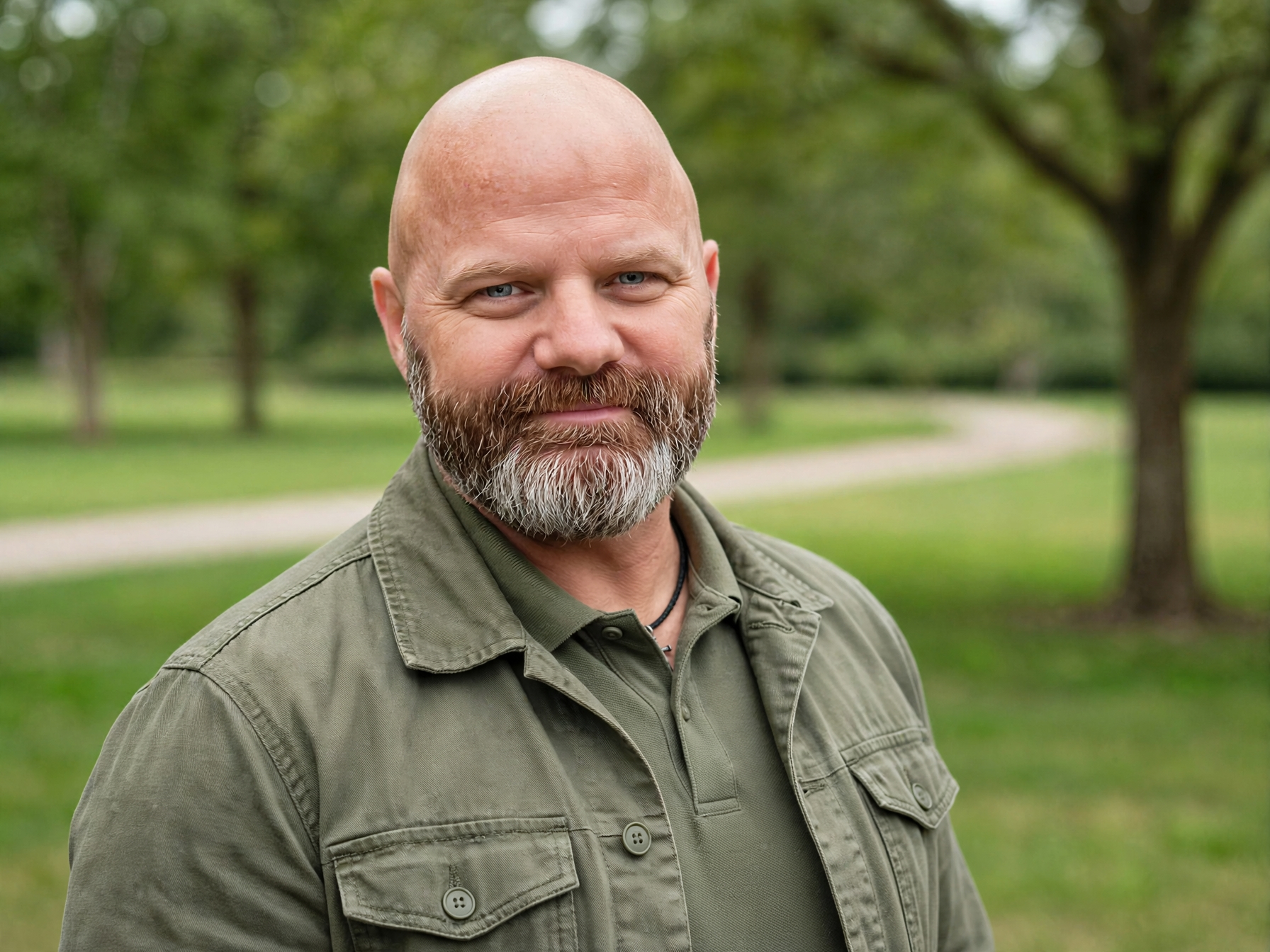
Darryl Richey has trained dogs for 30+ years. He is a U.S. Army veteran, a PSA Hall of Fame competitor, and he has trained police K9s serving departments across the Greater Houston area. Freedom K9 offers board and train and private lessons near Spring, Texas.


Comments